Mastering Forex Paper Trading: A Beginner’s Guide
Forex paper trading is an essential step for anyone looking to dive into the world of currency trading. It allows traders to practice their strategies in a risk-free environment before engaging with real money. This guide will walk you through the fundamentals of Forex paper trading, its benefits, and some effective strategies to consider. If you are looking for reliable brokerage options, check out forex paper trading Best UAE Brokers for a list of trustworthy platforms to start your trading journey.
What is Forex Paper Trading?
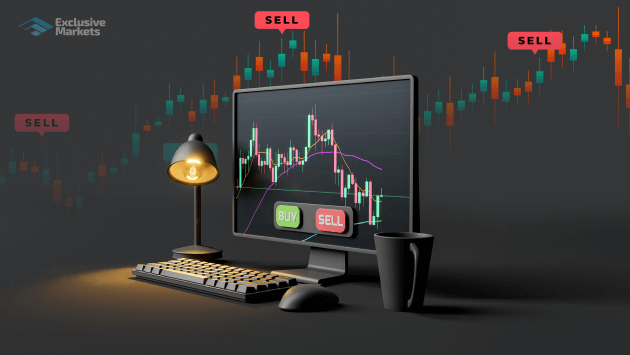
Forex paper trading refers to simulated trading using a virtual account rather than a live one. This practice enables traders to understand the mechanics of Forex trading without risking actual money. Participants can execute buy and sell orders, analyze market movements, and learn how to manage their portfolio effectively within this simulated environment.
Advantages of Forex Paper Trading
There are several advantages to engaging in Forex paper trading:
- Risk-Free Learning: One of the primary benefits is that traders can explore without financial exposure. This cultivates a learning environment where mistakes can be made without monetary consequences.
- Strategy Development: Paper trading allows you to test and refine trading strategies before applying them in a live market, providing a robust foundation for future trades.
- Psychological Preparation: It helps traders develop the necessary psychological resilience to handle trading pressures when real money is involved.
- No Pressure: Without the stress of losing money, you can focus on enhancing your skills and understanding market behavior.
How to Get Started with Forex Paper Trading
Getting started with Forex paper trading is straightforward:
- Choose a Broker: Select a reputable Forex broker that offers a paper trading account. Consider factors such as platform usability, educational resources, and support options.
- Create an Account: Sign up for a paper trading account. Most brokers will require you to provide some basic information for the setup process.
- Familiarize Yourself with the Platform: Spend time learning how the trading platform works. Understand how to execute trades, set stop-loss orders, and analyze charts.
Effective Strategies for Paper Trading

While paper trading, it’s crucial to maintain discipline and approach it as if you were trading with real money. Here are some strategies to enhance your experience:
1. Set Clear Goals
Establish specific, measurable, achievable, relevant, and time-bound (SMART) goals for your trading practice. This focused approach will help you track your progress and measure success.
2. Keep a Trading Journal
Document your trades, the rationale behind them, and their outcomes. A trading journal can help you identify patterns in your thought processes and improve decision-making over time.
3. Simulate Real Trading Conditions
Make an effort to trade under realistic conditions, including accounting for transaction costs and market volatility. This will aid in developing a keen understanding of how these factors impact profitability.
4. Diversify Your Trades
Experiment with different currency pairs and trading strategies to gain a diverse range of experiences. This exposure will improve your adaptive capabilities as a trader.
Common Mistakes to Avoid in Paper Trading
While paper trading is a valuable tool, it’s essential to be aware of pitfalls that can hinder your growth:

1. Lack of Commitment
Some traders may treat paper trading lightly, approaching it as a game rather than a serious practice. To gain genuine insights, it’s vital to treat paper trading like real trading.
2. Ignoring Emotions
Since there is no real money involved, traders may overlook the psychological aspects of trading. Developing emotional regulation is key to becoming a successful trader in live markets.
3. Overtrading
Many traders feel compelled to trade excessively when paper trading. This can lead to a distorted sense of performance since, in real trading, fewer, more calculated trades often lead to better outcomes.
Transitioning from Paper Trading to Live Trading
After spending adequate time practicing with a simulator, you’ll eventually want to transition to live trading. Here are a few tips for making that shift:
- Start Small: Begin with a small amount of capital to lessen the emotional burden associated with potential losses.
- Apply Your Strategy: Utilize the strategies and insights gained during paper trading, but remain flexible to adapt based on market conditions.
- Stay Informed: Keep up with news, trends, and economic indicators that could impact the Forex market.
Conclusion
Forex paper trading is an invaluable tool for aspiring traders, allowing them to hone their skills and develop effective strategies without risking real capital. By understanding the nuances of Forex markets, engaging in disciplined practice, and learning from both successes and failures, you can transition smoothly from paper trading to a successful trading career. Remember, the key to successful trading lies in continuous learning, adaptation, and maintaining emotional discipline in all your trading activities.